Functional Replacement Cost: What It Is, and When to Consider It
 Kitty KingPosted on April 13, 2026
Functional Replacement Cost (FRC)
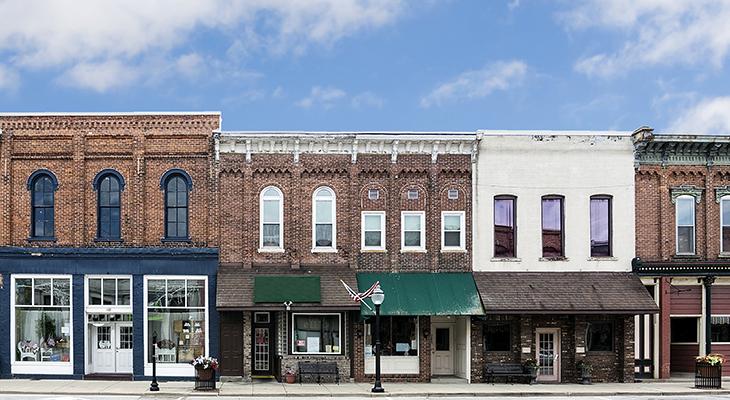
Of the three common valuation methods used to determine the amount payable following an insured loss, Functional Replacement Cost (FRC) appears to be the most under-utilized for commercial buildings. It is designed for older buildings where original construction materials, typical of standard-grade construction before the 1950s, are no longer commonly used or even available. Reimbursement is based on repairs or replacement with materials that are functionally equivalent to the damaged property, and less costly than replacing with original materials.
For example, interior wall surfacing. Prior to the 1950s, the flat surface of interior walls was formed using wood lath and several layers of plaster. Today, drywall is used to surface interior walls. It is readily available, faster to install, and equivalent in its function as interior wall surfacing. From the insurer's perspective, repairing or replacing an interior wall with drywall means less expense, and less delay, than attempting to source the materials and skilled labor needed to repair or replace with lath and plaster.

While Functional Replacement Cost appeals to insurers, there is a segment of building owners who might appreciate it as well: the client with the older building that, for many reasons, is unlikely to replace as-is after a total loss. They resist carrying limits for the estimated full replacement value, but they want partial losses to be adjusted on the cost to repair or replace without the threat of a coinsurance penalty for failing to maintain insurance-to-value.

ISO recognized the need and introduced a Functional Building Valuation Endorsement about 25 years ago. It solves the insurance-to-value problem and sweetens the coverage. When CP 04 38 is attached, the coinsurance clause does not apply and coverage for Ordinance or Law is added, in particular:
- loss in value to the undamaged portion of the building if demolition of the undamaged portion is required by ordinance or law
- the costs to demolish that undamaged portion and clear the site of its debris
- the increased costs to repair the damaged portion of the building that are a consequence of the minimum standard required by ordinance or law

If your market, admitted or surplus, is using ISO-based forms, it is an option worth discussing with the underwriters. At Deans & Homer, our commercial building forms have been replacement cost, no coinsurance, with Ordinance or Law, for the past 40 years. We may use our Functional Replacement Cost endorsement when underwriting an older building when we know there are original construction materials that cannot be reasonably repaired or replaced. It establishes the standard for reimbursement before a loss ever occurs, and that is a valuable conversation in itself.